Pink Tax: Why Are Some Products More Expensive for Women?
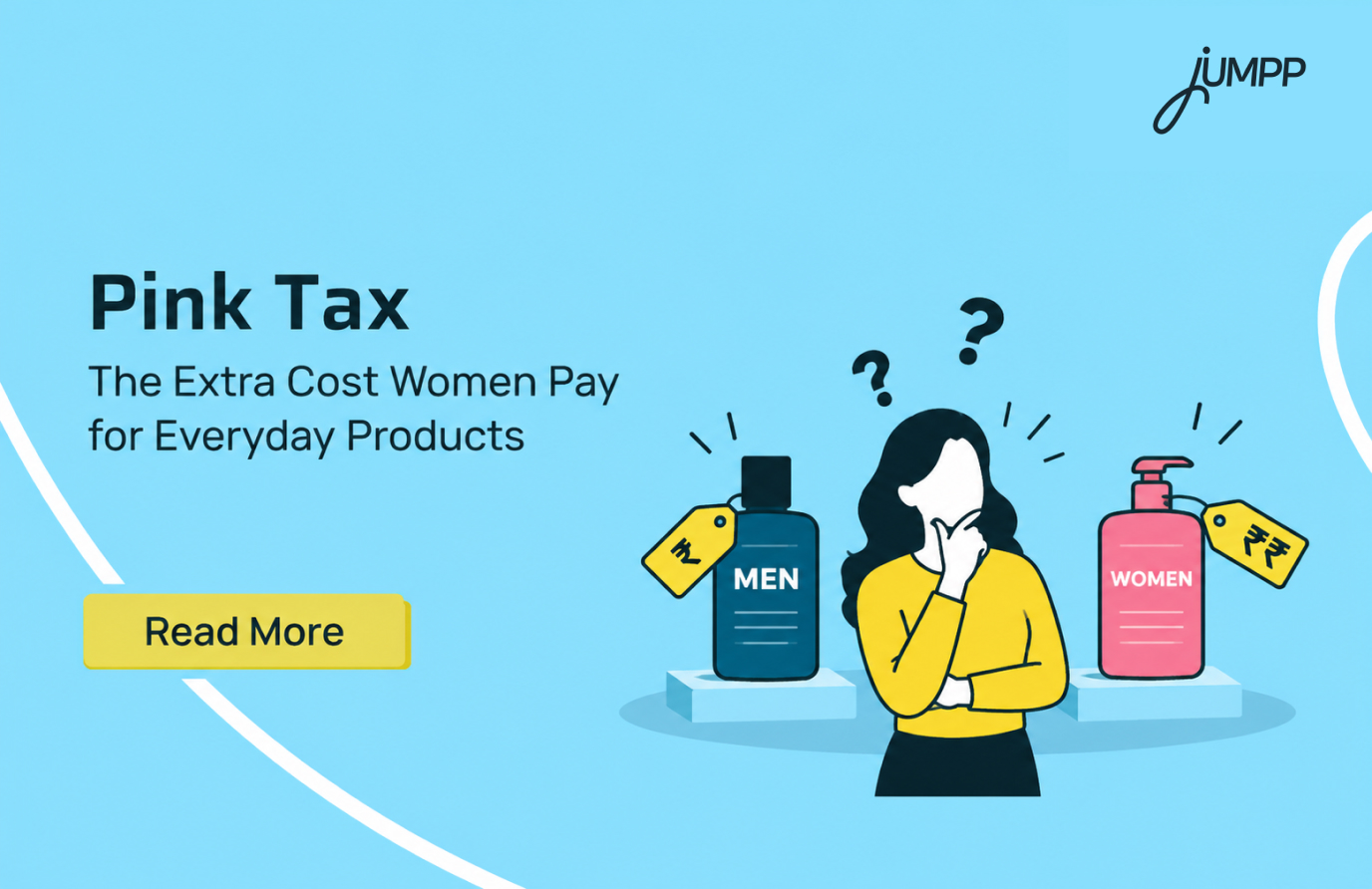
Have you ever noticed that products made for women sometimes cost more than similar products made for men? From razors and personal care products to salon services, these price differences can be huge.
This extra cost is known as the Pink Tax.
Let us understand the history of the Pink Tax and why it is still charged today.
What Is Pink Tax?
Pink Tax refers to the higher prices sometimes charged for products and services marketed towards women compared with similar alternatives marketed towards men.
Is Pink Tax a Real Government Tax?
No. Pink Tax is not an official government tax.
It is not similar to:
- GST
- Income Tax
- Customs Duty
The term is used to describe gender-based price differences.
Why Is It Called Pink Tax?
The term Pink Tax comes from the common use of pink packaging and branding for products marketed towards women and girls. However, Pink Tax is not limited to products that are actually pink.
The term represents a broader pattern of gender-based pricing.
For example, the issue may involve:
- A women’s razor
- A deodorant marketed towards women
- A salon service
- A dry-cleaning service
- A toy marketed towards girls
Explore: Ladli Behna Yojana Scheme: Objectives, Features, and Benefits for Women
What Is the History of Pink Tax?
The concept of Pink Tax has existed for decades, although the term became widely recognised much later. Gender-based price differences were first widely discussed in services such as haircuts, laundry and dry cleaning.
- The issue gained attention in the 1990s: Studies in California highlighted how women were often charged more than men for similar services.
- California took action against gender-based pricing: The state introduced laws to address certain forms of gender-based price differences in services.
- Pink Tax gained wider attention in 2015: A study by New York City’s Department of Consumer Affairs compared products marketed towards men and women and brought the issue into mainstream discussion.
- The debate later expanded beyond products: Pink Tax discussions now include personal care products, clothing, toys, salon services and other everyday expenses.
- The issue continues today: Governments, consumer groups and businesses continue to debate whether certain gender-based price differences are unfair or justified by genuine product differences.
Also read about Perquisite Tax in India
Why Is Pink Tax Charged?
Pink Tax can happen when companies charge different prices for products promoted towards men and women. Branding, consumer behaviour and social expectations can all play a role in these price differences.
Here are some common reasons behind it:
1. Gender-Based Marketing
Companies often market similar products differently to men and women. Changes in packaging, colours, fragrances and branding can make a product appear more specialised and justify a higher price.
2. Consumer Willingness to Pay
Businesses study how much consumers are willing to pay for different products. If customers continue buying a product despite higher prices, companies may have little reason to reduce them.
3. Social Expectations
Women often face greater expectations around grooming, appearance and personal care. This can make certain products and services feel like a necessity rather than an optional expense.
4. Lack of Price Comparison
Consumers may not always compare products marketed towards men and women side by side. As a result, they may not notice when similar products have different prices.
5. Actual Product Differences
Not every higher-priced product for women is an example of Pink Tax. Differences in ingredients, quality, design or manufacturing costs can sometimes justify a higher price.
Is Pink Tax Legal?
Pink Tax is not universally illegal, and whether gender-based pricing is legal depends on the laws of a particular country or state. In India, there is currently no specific law that directly bans Pink Tax.
- Some places have banned gender-based pricing: For example, California prohibits businesses from charging different prices for substantially similar products based on gender.
- Genuine cost differences may still be allowed: A higher price may be justified if there are actual differences in materials, manufacturing, ingredients or labour costs.
- India does not have a specific Pink Tax law: There is currently no legislation specifically focused on banning gender-based pricing of consumer products and services.
Pink Tax Products in India
Pink Tax can be seen in different everyday products and services marketed towards women.
Here are some common Pink Tax examples:
- Razors and Shaving Products
Razors are one of the most commonly discussed examples of Pink Tax. A razor marketed towards women may cost more than a similar razor marketed towards men, despite having similar features.
When comparing razors, look at the number of blades, material, durability and replacement cost instead of just the packaging.
- Personal Care Products
Products such as deodorants, body washes, moisturisers and grooming products often have separate versions for men and women. The women’s version may sometimes be priced differently despite offering similar benefits.
Compare the quantity, ingredients, features and price per gram or millilitre before buying.
- Salon Services
Haircuts and salon services can also have different prices for men and women. In some cases, the difference may be justified by longer hair, additional products or more time.
However, charging significantly more for a similar service simply based on gender can raise concerns about Pink Tax.
- Dry Cleaning
A woman’s blouse may sometimes cost more to dry clean than a man’s shirt. While fabric and garment design can affect the price, similar garments should ideally be priced based on the cleaning required.
- Children’s Toys
Pink Tax can also affect products made for children. Similar toys marketed towards girls may sometimes cost more than versions marketed towards boys.
When the product offers the same features and functionality, the price difference can become an example of gender-based pricing.
Explore tax saving options for 2026!
How Does Pink Tax Affect Women?
Pink Tax can increase women’s everyday expenses and leave them with less money for savings, investments and other financial goals.
1. Less Money to Save and Invest
Paying more for everyday products and services can reduce disposable income. This means women may have less money available for emergency savings, investments and retirement planning.
2. Higher Costs Add Up Over Time
Paying ₹20 or ₹50 extra for one product may not seem like much. However, when similar price differences happen regularly over several years, the total financial impact can become significant.
3. Lower-Income Women Can Be Affected More
Higher prices can have a bigger impact on women with limited incomes. Even small additional expenses can take away money that could otherwise be used for essential needs or financial goals.
4. Pressure to Spend on Grooming
Women often face greater expectations around appearance, grooming and professional presentation. This can make spending on personal care and related services feel necessary rather than optional.
5. Less Money for Long-Term Wealth
Every extra amount spent on a product is money that cannot be saved or invested. Over time, higher recurring expenses can affect a woman’s ability to build wealth and achieve financial independence.

Looking for ways to make informed investment decisions and build long-term wealth? Learn what the PEG ratio means, how it is calculated, and how investors use it to evaluate stocks.
FAQs
Pink tax refers to higher prices charged for products and services marketed towards women compared with similar alternatives for men.
The term comes from the common use of pink and feminine branding for products marketed towards women and girls.
No, pink tax is not an official government tax. It refers to gender-based price differences set by businesses.
Razors, personal care products, salon services, dry cleaning and children’s products are common examples.
Gender-based marketing, branding and consumer demand can lead to higher prices for products and services targeted towards women.
Yes, higher everyday expenses can reduce the money available for savings, investments and other financial goals.
Pink tax affects how much women spend, while the gender pay gap affects how much women earn.
Personal care products, razors, grooming products, clothing, toys and certain services are commonly discussed.
Small price differences across regular purchases can increase overall spending and reduce disposable income over time.
The Pink Tax refers to higher prices sometimes charged for products and services marketed towards women. The gender pay gap, on the other hand, refers to the difference in average earnings between men and women.