Hotlisted Card Meaning: Why It Happens and How to Fix It
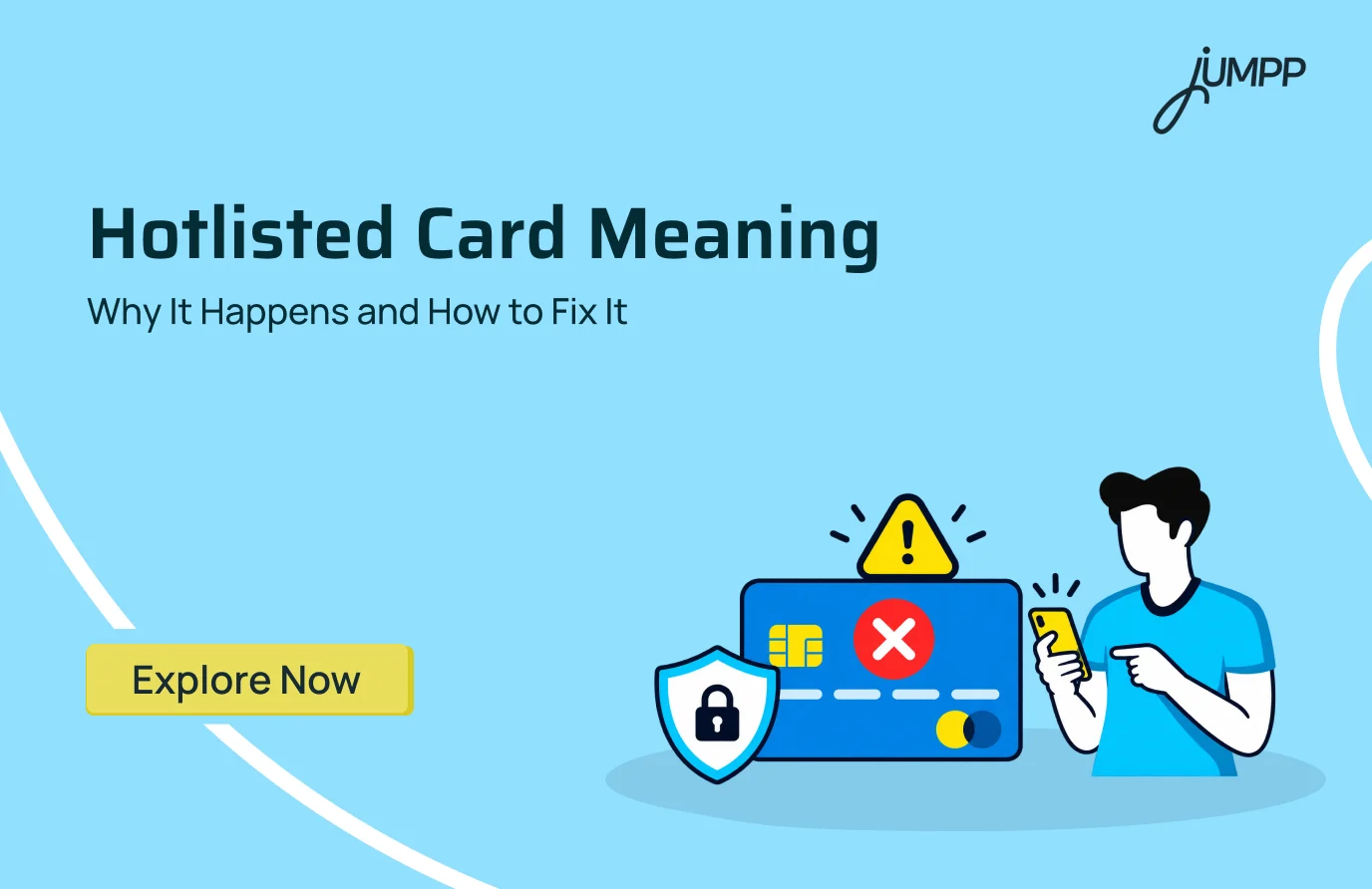
You check your back pocket. Then your bag. Then your back pocket again, as if the card might reappear on the third try. It won’t, and every minute you spend looking is a minute someone else could be spending your money. That’s exactly where hotlisting helps. One call, one tap, and your card stops working for everyone, including the person who has it.
What Does a Hotlisted Card Mean?
A hotlisted card is a debit or credit card that your bank has permanently blocked, so it can no longer be used for any transaction, online, in-store, or at an ATM. The card number is added to a shared blocked-card database maintained by the bank and card networks like NPCI (RuPay), Visa, and Mastercard, so every terminal and payment gateway automatically checks and rejects it.
Quick Facts About Card Hotlisting
| Detail | Information |
| Who Can Request It | Only the cardholder or the bank |
| How Long It Takes | Usually instant to a few hours |
| Is It Reversible | No, hotlisting itself cannot be undone |
| Fee to Hotlist | Usually free |
| Fee for Replacement Card | Often free or minimal, varies by bank |
| Replacement Delivery Time | Typically 2 to 10 business days |
| Bank Account Access | Unaffected; UPI, net banking, and cheques still work |
Why Is Your Card Hotlisted?
A card is usually hotlisted for one of these reasons:
- Lost or stolen card: The most common reason, to stop anyone else from using it
- Suspicious or unrecognised transactions: If you spot charges you didn’t make
- Suspected skimming or cloning: If your card details may have been copied at an ATM or POS terminal
- Phishing or online fraud: If you’ve unknowingly shared your card details with a fraudulent website or caller
- Bank-initiated security flag: Sometimes it’s the bank, not you, that acts first; a debit card hotlisted by bank systems usually means their fraud detection flagged unusual activity before you noticed anything wrong
What Happens When a Card Is Hotlisted?
A hotlisted card immediately stops all card-related activities.
Here’s what actually happens:
- The card stops working immediately for all transactions, including ATM withdrawals, online payments, and in-store purchases
- Any auto-debits or subscriptions linked to that card will start failing until you update your payment method
- Your bank account itself remains fully active; only the card is blocked, so UPI, net banking, and cheque-based transactions still work
- You’ll need to apply for a replacement card to regain card-based access to your funds
Card blocked? Keep paying with UPI.
Hotlisted Card vs Blocked Card
A temporary block or freeze is something you can undo yourself. Hotlisting is the permanent version, and once it’s done, you can’t bring that specific card back.
| Hotlisted Card | Blocked or Frozen Card |
| Permanent; the card can never be reactivated | Can be temporary, often reversible from your banking app |
| Used for lost, stolen, or compromised cards | Used to pause a card you still have, such as while travelling |
| Requires a new card to be issued | Can usually be switched back on yourself |
| Card number is retired from payment networks | Card number stays active once unfrozen |
How to Hotlist Your Debit or Credit Card?
You can hotlist your lost or stolen card through your Mobile Banking App, net banking, customer care helpline, or SMS.
Most banks offer several ways to hotlist a card instantly:
- Mobile banking app: Use the “Card Services” or “Manage Cards” section to hotlist your card and often apply for a replacement in the same flow
- Net banking: Most banks let you hotlist a card and request a new one through internet banking
- Phone banking: Call your bank’s toll-free or customer care number for urgent requests
- SMS banking: Some banks allow hotlisting by sending an SMS to a specified number
- Bank branch: Visit your branch, inform the staff, and fill out a request form if needed
Can You Unblock or Remove Hotlisting From a Card?
Hotlisting is designed to be permanent, so once a card is hotlisted, it cannot be reactivated, even if you find it again a few minutes later. The card number is retired from the bank’s and card network’s systems for good.
If you’re looking for a reversible option instead, such as when you’ve simply misplaced your card at home or are travelling, ask your bank about a temporary card block or freeze, which many banks now offer as a separate, undoable feature from within their app.
If you’re getting a replacement debit card after hotlisting, learn how to set up your green PIN and securely activate your new card.
What are the Charges for Hotlisting and Replacement Cards?
Hotlisting itself is typically free, since banks are expected to help protect customers from fraud. Replacement cards, however, may come with a nominal fee depending on your bank and card type, though many banks waive this for the first replacement in a given period. Check your specific bank’s fee schedule for the exact amount.
Conclusion
Hotlisting permanently shuts a compromised card out of every terminal and gateway that checks for it, instantly. It won’t undo itself, and it isn’t meant to; that finality is exactly what protects your money the moment a card goes missing.
Hotlisted Card: FAQs
A hotlisted card is a debit or credit card that your bank has permanently blocked, usually because it was lost, stolen, or suspected of being compromised, so it can no longer be used for any transaction.
In banking, hotlisting means adding a card number to a blocked-card database shared across the bank and payment networks, so any attempted transaction on that card is automatically declined.
Hotlisting is permanent and irreversible, while a “blocked” or “frozen” card is often a temporary state you can reverse in your banking app.
You can’t reactivate a hotlisted card itself. The only path forward is to apply for a replacement card through your bank’s app, net banking, customer care, or a branch visit.
No, hotlisting itself is generally free. Your bank may charge a small fee to issue a replacement card, though many waive it for a first replacement.
Hotlisting is usually instant to a few hours, depending on the channel you use and your bank’s processing time.
Yes, hotlisting only blocks the card itself; your bank account remains active for UPI, net banking, and cheque-based transactions.