Tax Collected at Source (TCS): Meaning, Rates, Rules and Refund
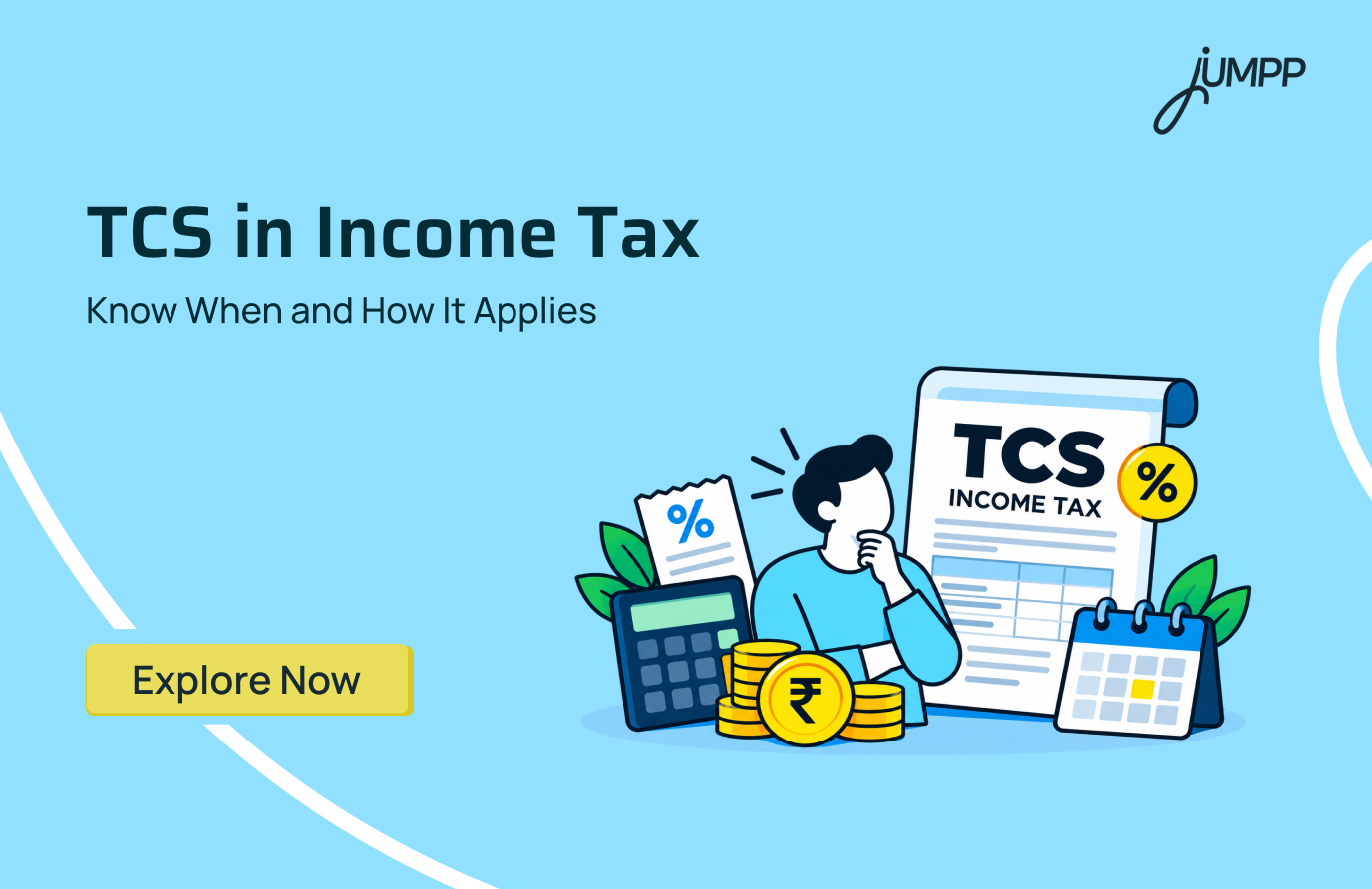
Taxes are often collected when you earn income, but in some cases, they are collected when you make a transaction. This is where TCS comes in. From overseas remittances to certain purchases, TCS can affect how much you pay upfront.
Here’s what you need to know about Tax Collected at Source (TCS) in 2026.
What Is TCS in Income Tax?
Tax Collected at Source (TCS) is an advance tax collected from the buyer by the seller or another specified collector on certain transactions. The collector deposits the amount with the government, and the tax credit is reflected in the buyer’s AIS or Form 26AS.
How Does TCS Work?
TCS works at the point of an eligible transaction. The seller or specified collector collects the applicable amount from the buyer and deposits it with the government.
- TCS is collected: The applicable amount is collected along with the transaction.
- Tax is deposited: The collector deposits it with the government.
- Credit is recorded: The amount appears in your AIS or Form 26AS.
- Credit is claimed: You can use the TCS credit against your final tax liability while filing your ITR.
How Is TCS Calculated?
TCS is calculated by applying the applicable rate to the amount on which tax collection is required. Where a threshold applies, the calculation depends on the transaction type and relevant tax rules.
For example, if ₹15 lakh is remitted abroad for self-funded education, where 2% TCS applies on the amount above ₹10 lakh:
Amount subject to TCS = ₹15 lakh − ₹10 lakh = ₹5 lakh
TCS = ₹5,00,000 × 2% = ₹10,000
What Are the TCS Rules in 2026?
The TCS framework has changed in 2026, including changes to the provisions covering specified transactions.
- TCS on the general sale of goods has been withdrawn. The earlier provision under Section 206C(1H) is no longer applicable.
- The LRS threshold is ₹10 lakh in a financial year for applicable foreign remittances.
- Self-funded education and medical remittances above ₹10 lakh attract 2% TCS.
- Other eligible LRS remittances above ₹10 lakh attract 20% TCS.
- Education remittances funded through an eligible education loan have NIL TCS.
- Overseas tour packages attract 2% TCS, while specified luxury goods above ₹10 lakh attract 1% TCS.
- TCS collected is available as tax credit and can be adjusted against the final income tax liability.
- Excess TCS may be claimed as a refund while filing the Income Tax Return, subject to applicable rules.
- TCS credit can be checked in AIS or Form 26AS before claiming it while filing the ITR.
What Are the TCS Rates in 2026?
TCS rates depend on the type of transaction and the applicable provisions. Some important rates applicable in 2026 include:
| Transaction | TCS Rate |
| Self-funded education or medical treatment above ₹10 lakh | 2% |
| Other LRS purposes above ₹10 lakh | 20% |
| Overseas tour packages | 2% |
| Specified luxury goods above ₹10 lakh | 1% |
| Scrap, minerals and alcohol | 2% |
Explore More Ways to Invest
From mutual funds to digital gold, explore investment options in one place with the jUMPP investment app.

When Is TCS Not Applicable?
Tax Collected at Source (TCS) is not applicable if the seller’s turnover is ₹10 crore or less, or if the transaction involves exempt buyers like the government or exports. Additionally, buyers can claim an exemption by submitting Form 27C for manufacturing use, or if the transaction is already subject to TDS.
| Category | Exemption Condition |
| Seller Eligibility | Preceding year business turnover is ₹10 crore or less. |
| Buyer Type | Central/State Government, foreign embassies, or PSUs. |
| Transaction Nature | Export of goods or items purchased for personal consumption. |
| Tax Overlap | Transactions where Tax Deducted at Source (TDS) is already deducted. |
| End-Use Declaration | Buyer provides Form 27C declaring goods are for manufacturing/processing. |
What Is TCS on Foreign Remittance?
TCS can apply when an Indian resident sends money abroad under the Liberalised Remittance Scheme (LRS). Under LRS, resident individuals can remit up to USD 250,000 per financial year for permitted purposes such as education, medical treatment, travel and overseas investments.
For most applicable LRS transactions, TCS applies when the total remittance crosses ₹10 lakh in a financial year. The rate depends on the purpose of the remittance.
| Purpose | TCS up to ₹10 lakh | TCS above ₹10 lakh |
| Education through an eligible education loan | NIL | NIL |
| Self-funded education | NIL | 2% |
| Medical treatment | NIL | 2% |
| Other LRS purposes | NIL | 20% |
TCS collected on foreign remittance is available as a tax credit and can be adjusted against your final tax liability while filing your ITR.
How to Claim a TCS Refund?
You can claim a TCS refund while filing your Income Tax Return if the tax collected is higher than your final tax liability. The TCS credit should be reflected in your AIS or Form 26AS before you claim it.
- Check your TCS credit.
- Report it while filing your ITR.
- Calculate your final tax liability.
- Claim the eligible refund.
- The refund is credited to your verified bank account.
TCS vs TDS: What Is the Difference?
TCS is collected from the buyer, while TDS is deducted from a payment made to the recipient.
| Basis | TCS | TDS |
| Full form | Tax Collected at Source | Tax Deducted at Source |
| Who acts? | Seller or specified collector | Payer |
| Tax is taken from | Amount paid by the buyer | Payment made to the recipient |
| Who bears it? | Buyer | Recipient |
| Example | Bank collecting TCS on an eligible foreign remittance | Employer deducting TDS from salary |
Conclusion
TCS can affect the amount you pay upfront on certain transactions, but it does not necessarily represent an additional final tax burden. The amount collected is recorded as a tax credit and can be adjusted against your final tax liability.
FAQs
Tax Collected at Source (TCS) is tax collected by a seller or specified collector from the buyer on certain transactions. The amount collected is deposited with the Central Government under Section 206C of the Income-tax Act.
TCS on the general sale of goods has been withdrawn under the updated provisions. The earlier requirement under Section 206C(1H) for specified general goods transactions is no longer applicable.
TCS is collected at the applicable rate when a specified transaction takes place and is deposited with the government. The amount collected is reflected against the taxpayer’s PAN and can be adjusted against their final income tax liability.
The person responsible depends on the transaction. It may include sellers of specified goods, authorised dealers handling eligible LRS remittances and sellers of overseas tour packages.
TCS applies to specified transactions covered under Section 206C, subject to applicable conditions and thresholds. These include certain goods, luxury purchases, overseas remittances and overseas tour packages.
TCS rates differ according to the transaction. For example, specified transactions can attract rates of 1%, 2%, 5% or 20%, while separate rules and thresholds apply to overseas remittances and tour packages.
TCS may apply to transactions involving specified goods such as scrap, timber and certain minerals, specified luxury goods above ₹10 lakh, eligible foreign remittances under LRS, overseas tour packages and certain leases or licences.
TCS collected is available as tax credit. If your total taxes paid, including TCS, exceed your final tax liability, the excess can generally be claimed as a refund while filing your income tax return, subject to applicable rules.
You can check TCS details through Form 26AS or the Annual Information Statement (AIS) on the Income Tax e-Filing portal. Both include information about tax collected at source against your PAN.
TDS is generally deducted from specified payments or income by the payer, while TCS is collected from the buyer by the seller or specified collector on covered transactions. Both are mechanisms for collecting income tax at source.
Yes, excess TCS can generally be refunded if the total tax paid during the year exceeds your final income tax liability. The eligible refund can be claimed through your income tax return, subject to applicable tax rules.