What Are the Advantages and Disadvantages of Buying Digital Gold?
Buying gold is simple, but what if you want to start small without visiting a jewellery store or worrying about storage?
Digital Gold lets you buy gold online in small amounts, with the corresponding physical gold generally stored on your behalf.
But before you get started, understand the advantages and disadvantages of buying digital gold.
What Is Digital Gold?
Digital gold is an online investment instrument that allows you to buy fractional physical gold starting at minimal price points, while the underlying physical asset is secured in insured vaults by a third-party custodian.
What Are the Advantages of Buying Digital Gold?
Digital Gold makes buying gold more accessible through small investments, online transactions and convenient storage arrangements.
Here are some of its key advantages on online gold investments-
1. Start with Small Amounts
You don’t need to save up for an entire gold coin or bar. Many platforms allow you to purchase Digital Gold in smaller amounts.
For example, with jUMPP, an easy-to-use digital gold investment app, you can start buying Digital Gold from just ₹50.
2. Buy Gold Anytime, Online
Digital Gold allows you to buy through an online platform, making the process convenient for people who prefer managing their finances digitally.
3. No Need to Store Gold at Home
With physical gold, you need to think about storage and protection from theft or loss.
Online gold generally comes with provider-arranged vault storage, so you don’t have to keep the corresponding physical gold at home.
4. Track Your Holdings Easily
Instead of maintaining physical purchase records or checking stored gold, you can usually view your holdings directly through the platform.
This makes it convenient to monitor the quantity of gold you own.
5. Sell Through the Platform
Many Digital Gold providers offer an online selling facility.
You can generally sell your eligible holdings through the platform, subject to its pricing, operating hours and transaction conditions.
Here is a simple process to buy and sell digital gold online.
6. Option for Physical Delivery
Prefer holding physical gold eventually?
Some providers allow you to convert eligible Digital Gold holdings into coins or other physical forms. Minimum quantities, minting charges and delivery fees may apply.
Related Reading: See why millennials are buying Digital Gold in 2026.
What Are the Disadvantages of Buying Digital Gold?
Although Digital Gold offers convenience, there are certain costs and limitations worth understanding.
Here are the main disadvantages of digital gold.
1. Difference Between Buying and Selling Prices
The price at which you purchase Digital Gold may be higher than the price offered when you sell it.
This difference, commonly called the buy-sell spread, can affect your returns.
For example, suppose you purchase gold worth ₹1,000 and the provider’s immediate selling price for that quantity is ₹970. You would receive ₹30 less if you sold immediately, even without a change in the underlying gold price.
This is an illustrative example, not an actual provider quote. Taxes and other charges may affect the final amount.
2. Applicable Taxes and Charges
Digital Gold purchases generally attract GST. Depending on the provider, additional charges may apply for physical redemption, minting or delivery.
These costs should be considered alongside the quoted gold price.
3. Changes in Gold Prices
Like physical gold, Digital Gold is affected by market price movements.
If gold prices decline, the value of your holdings may also fall. Digital Gold does not offer guaranteed returns.
4. Dependence on the Provider
Your Digital Gold holding depends partly on the provider and its arrangements for allocating, storing and managing the corresponding physical gold.
This introduces counterparty risk, making it important to understand the provider’s terms and responsibilities.
5. Platform and Service Limitations
Transactions depend on the platform’s availability and operating processes.
Technical issues, service interruptions or changes in provider terms may temporarily affect your ability to access or sell your holdings.
6. Different Rules Across Platforms
Not all Digital Gold providers follow the same conditions.
Storage periods, redemption quantities, delivery eligibility and applicable fees may vary. Understanding these details helps you know what to expect.
Digital Gold vs Physical Gold: What’s the Difference?
Digital Gold offers online purchasing and provider-arranged storage, while physical gold gives you direct possession of coins, bars or jewellery.
Here’s a quick comparison.
| Factor | Digital Gold | Physical Gold |
| Buying process | Online | Through jewellers or dealers |
| Starting amount | Small purchases generally available | Depends on the product |
| Storage | Generally arranged by provider | Managed by the buyer |
| Ownership record | Digital holding recorded by provider | Physical possession and purchase records |
| Selling | Usually through the platform | Through jewellers, dealers or other buyers |
| Physical delivery | Subject to provider conditions | Already physically held |
| Additional costs | GST, spreads and applicable redemption charges | GST, premiums and possible making or storage charges |
| Main considerations | Provider terms, custody and market prices | Purity, storage, resale value and market prices |
Is Digital Gold Safe to Buy in India?
Digital Gold can provide a convenient way to purchase gold, but its reliability depends on the provider, storage arrangements and transaction terms.
Here are a few important things –
- Gold allocation: How is the corresponding physical gold allocated against your purchase?
- Storage: Where is the gold kept, and who is responsible for its custody?
- Insurance: Does the provider offer insurance for stored gold?
- Platform protection: What account and payment security measures are available?
- Selling conditions: How and when can you sell or redeem your holdings?
Digital Gold Regulation in India
Digital Gold is not regulated by SEBI as a securities-market investment product in India.
In November 2025, SEBI clarified that Digital Gold/E-Gold products are neither notified as securities nor regulated as commodity derivatives.
It also stated that securities-market investor protection mechanisms do not apply to investments in these products.
This is different from SEBI-regulated gold-related products, such as:
- Gold Exchange-Traded Funds (ETFs)
- Electronic Gold Receipts (EGRs)
- Exchange-traded commodity derivative contracts
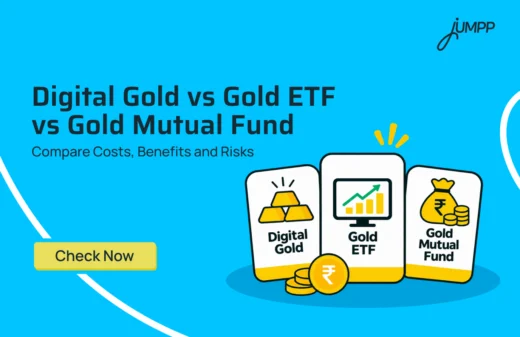
Related Reading: Understand the difference between Digital Gold and Gold ETFs.
What Should You Consider Before Buying Digital Gold?
Before making a purchase, take a moment to review the details offered by your chosen platform.
Here’s a simple checklist:
- Gold purity: Always verify if the provider offers 24-karat gold with a 99.9% purity certification
- Provider information: Understand who sells and stores the gold.
- Purchase price: Review the quoted price and applicable GST.
- Selling price: Check the difference between buying and selling rates.
- Storage conditions: Understand the storage arrangements and any time-related restrictions.
- Physical redemption: Check minimum quantities, delivery availability and charges.
- Transaction terms: Review selling conditions and withdrawal or settlement timelines.
- Customer support: Understand how queries and complaints are handled.
Ready to explore the process? Learn how to buy and sell Digital Gold online with our step-by-step guide.
Buy Digital Gold with jUMPP
Want to start buying gold without committing a large amount?
With jUMPP, you can start buying Digital Gold from just ₹50 and manage your holdings digitally through an easy-to-use investment app.
Buy Digital Gold Now.
FAQs
Digital Gold has certain limitations, including buy-sell price differences, GST, additional charges and dependence on the provider’s storage arrangements. Its value can also fluctuate with gold prices.
Digital Gold can be worth considering if you prefer purchasing gold online in small amounts without managing physical storage. However, its suitability depends on your financial goals, costs and investment horizon.
A fixed deposit (FD) generally offers a predetermined interest rate, while Digital Gold’s value changes with market prices. The choice depends on your risk tolerance.
Digital Gold provides exposure to gold prices, while a Systematic Investment Plan (SIP) is a method of investing regularly, commonly in mutual funds. The choice depends on your investment goals, and time horizon.
Yes, most Digital Gold providers allow you to sell your holdings online and receive the proceeds through their supported payout method, usually a linked bank account. Selling conditions, settlement timelines and charges may vary by provider.
Gold prices depend on factors such as global demand, inflation, interest rates, currency movements and economic conditions. Whether gold reaches ₹2 lakh per 10 grams in 2027 cannot be predicted with certainty.