Difference Between Insurance and Assurance: Meaning, Types and Examples
You may insure your car against an accident, your home against damage, and your health against medical expenses. But when it comes to life policies, you may also come across the term assurance. So, do insurance and assurance mean the same thing?
Not exactly. The difference between insurance and assurance traditionally comes down to the nature of the event being covered.
In this article, you will understand insurance vs assurance in detail.
Insurance vs Assurance – The Difference That Shapes How You Protect Your Future
Insurance covers risks that may happen, while assurance covers events that will definitely happen.
The table below highlights the key differences between life insurance and life assurance.
| Basis | Insurance | Assurance |
| Event Covered | Protects against uncertain events like accidents, theft, fire, or medical emergencies. | Covers events that are certain to happen, like death or disability. |
| Objective | Compensates for financial loss and restores the previous financial position. | Provides a guaranteed, pre-decided payout when a certain event occurs. |
| Duration | Usually short-term (e.g., 1 year) and renewable. | Long-term contracts. |
| Coverage | Property, vehicles, health, travel, and general risks. | Life-related risks, such as death or permanent disability. |
| Claims | Multiple claims are allowed during the policy term. | Only one claim is paid on death, disability, or maturity. |
| Examples | Car insurance, health insurance, fire insurance, travel insurance. | Life insurance, term assurance, endowment policies, ULIPs. |
What is Insurance?
Insurance is a contract that provides financial protection against specified risks in exchange for a premium. A claim becomes payable when a covered event occurs, subject to the terms and conditions of the policy.
Here are the basic features of an insurance policy –
- Risk-based protection: It covers specified events that may or may not happen.
- Premium: The policyholder pays a premium for the coverage.
- Policy period: Coverage is provided for the period specified in the policy.
- Claim: A claim can be made when an eligible covered event occurs.
Insurance Example
Riya buys health insurance. If she is hospitalised during the policy period, the insurer covers eligible medical expenses as per the policy terms.
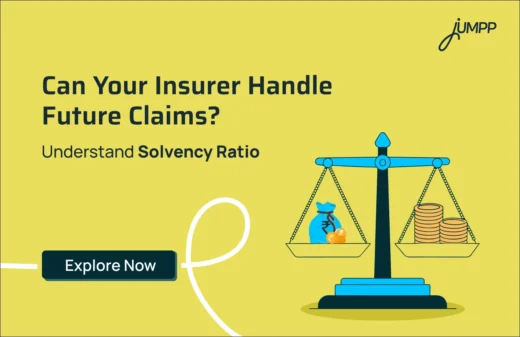
Want to understand how an insurer’s financial strength is assessed? Learn what a solvency ratio means and why it matters when evaluating financial stability.
How Does Insurance Work?
Insurance works by transferring specified financial risks to an insurer in exchange for a premium. If a covered event occurs during the policy period, the policyholder can make a claim according to the policy terms.
- Choose a policy: Select insurance based on the type of financial risk you want covered.
- Pay the premium: Pay the required premium to keep the coverage active.
- Covered event occurs: A claim may arise when an event covered by the policy takes place.
- Submit a claim: Inform the insurer and provide the required information and documents.
- Claim assessment: The insurer checks the claim against the policy conditions.
- Claim settlement: An eligible claim is settled according to the applicable coverage and limits.
Understand the claim settlement ratio!
Types of Insurance You Should Know
The main types of insurance include health insurance, life insurance, motor insurance, home insurance and travel insurance. Each type protects you against different financial risks and unexpected expenses.
- Health Insurance: Covers eligible medical and hospitalisation expenses.
- Motor Insurance: Provides coverage against specified vehicle-related risks.
- Travel Insurance: Covers specified financial risks associated with travel.
- Property Insurance: Provides protection against specified loss or damage to property.
- Life Insurance: Provides financial protection against specified life-related risks.
Want to understand the basics before diving deeper?
Check out our detailed guide on What is Insurance to learn its meaning, features, and why it’s important.
What is Assurance?
Assurance traditionally refers to long-term financial protection associated with an event expected to occur eventually, most commonly death. It is generally discussed in the context of certain long-term life policies.
Here are some common features of assurance in a policy –
- Long-term protection: Assurance is traditionally associated with longer-duration life cover.
- Event: It generally relates to an event expected to happen eventually.
- Life policies: The term is most commonly associated with life-related products.
- Benefit: Payment depends on the conditions specified in the particular policy.
- Modern usage: Insurance and assurance may be used interchangeably for life policies today.
Assurance Example
Amit buys a whole life assurance policy. The policy provides a payout on his death, subject to its terms and conditions.
How Does Assurance Work?
Assurance works by providing long-term financial protection against an event expected to occur eventually. The policyholder pays premiums according to the policy terms, and the applicable benefit is paid when specified conditions are met.
- Choose the policy: Select a long-term life policy based on its coverage and benefits.
- Pay premiums: Premiums are paid according to the chosen payment schedule.
- Coverage continues: Protection remains available according to the policy tenure and conditions.
- Specified event occurs: The applicable benefit becomes payable when policy conditions are met.
- Benefit is paid: The insurer pays the eligible amount to the policyholder or beneficiary, as applicable.
What are the Various Types of Assurance?
The term assurance has traditionally been associated with certain long-term life policies. However, classifications and terminology can differ between insurers and markets.
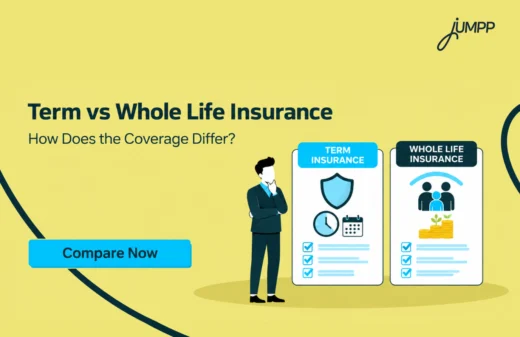
- Whole-Life Policies: Provide life cover for a long period, potentially throughout life, subject to policy terms.
- Endowment Policies: Combine life cover with a maturity benefit subject to specified conditions.
- Other Long-Term Life Policies: Certain life products may also be described using the term assurance.
The word “assurance” itself does not mean that every policy provides savings, investment returns or a maturity benefit. Always check the individual policy terms.
The exact benefits always depend on the policy. Therefore, the words insurance and assurance alone should not be used to determine the coverage or payout.
When comparing products, look at the coverage, policy period, premiums, exclusions and benefit conditions rather than relying only on whether the product uses the word insurance or assurance.
Insurance vs Assurance- FAQs
Insurance is financial protection against specified risks in exchange for a premium. An eligible claim is paid if a covered event occurs according to the policy terms.
Assurance traditionally refers to long-term financial protection associated with an event expected to happen eventually. It is most commonly used in the context of certain life policies.
The terms are often used interchangeably today. Traditionally, life insurance may describe protection for a defined period, while life assurance is associated with longer-term or whole-of-life protection.
Insurance generally provides financial protection against risks that may occur, such as accidents, illness or theft. Life assurance typically provides long-term life cover where a payout is made on death, subject to the policy terms.
Insurance is the financial protection provided under an insurance policy. The insured is the person or asset covered by that policy.
No. The term assurance does not automatically mean that a policy includes savings, investment returns or maturity benefits. These features depend on the specific product.