5 Common Term Insurance Myths and the Truth Behind Them
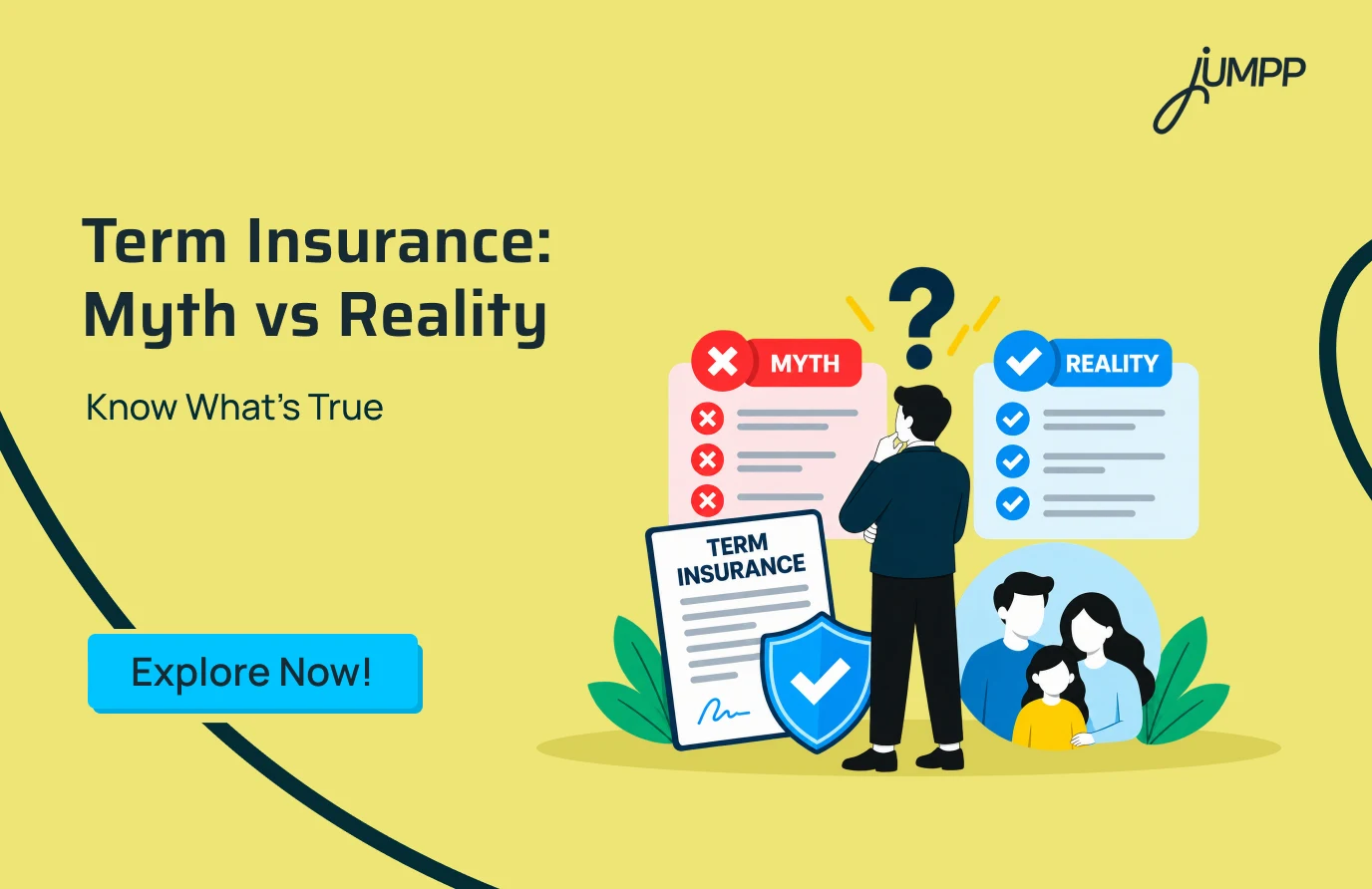
Some people avoid term insurance because they think it’s only necessary later in life. Others believe their employer’s insurance is sufficient or that paying premiums without getting money back is a loss.
But how much of this is actually true?
Several common term insurance myths come from misunderstandings about how life cover works.
Let’s separate these misconceptions from the facts and understand the benefits and limitations of term insurance.
What Is Term Insurance?
Term insurance is a type of life insurance that provides financial protection for a specified period.
You choose a sum assured and policy term and pay the applicable premium. If the insured person dies during the policy term and the claim meets the policy conditions, the applicable death benefit is paid to the nominee.
What are the Most Common Term Insurance Myths?
Here are some common term insurance misconceptions and the reality behind them.
Myth 1: Term Insurance Is a Waste if You Survive
Reality: Term insurance is primarily meant for protection, not investment returns.
A standard term plan generally does not pay a maturity benefit if you survive the policy term. Some insurers offer Return of Premium plans, but these usually come with higher premiums and separate conditions.
Myth 2: Employer Life Insurance Is Enough
Reality: Employer-provided life cover may not always match your family’s actual financial requirements.
The amount and duration of coverage depend on the employer’s group policy and may change when your employment changes.
Myth 3: Young People Don’t Need Term Insurance
Reality: Age alone does not determine whether you need life insurance.
Someone who is young may still have dependent parents, loans or other financial responsibilities. Also, premiums are generally lower when you purchase comparable coverage at a younger age, subject to underwriting.
Myth 4: Every Term Plan Offers the Same Coverage
Reality: Coverage, exclusions, riders and other conditions can differ between policies.
The sum assured alone should not be used to compare plans. Reading the policy terms is equally important.
Myth 5: Online Term Plans Are Less Reliable
Reality: Buying a term plan online does not automatically make its coverage less reliable.
What matters is the insurer, policy terms, accurate disclosure of information and fulfilment of the applicable claim conditions.
What are Some Term Insurance Hidden Facts You Should Know?
Beyond the common myths, there are a few details beginners should understand.
- Smoking and Tobacco Use Affect Premiums: Insurers consider smoking and tobacco consumption when calculating premiums. Not disclosing these habits accurately can also create complications during claim settlement.
- Medical History Must Be Disclosed: Existing illnesses, medical conditions and other health information requested by the insurer should be declared correctly. Incomplete or incorrect disclosures may affect claims, subject to applicable laws.
Also learn about health insurance portability.
- Return of Premium Plans Cost More: Standard term plans generally do not offer maturity benefits. Return of Premium plans may refund specified premiums if you survive the policy term, but they usually have higher premiums.
- Riders Come With Specific Conditions: Additional benefits, such as critical illness cover, accidental death benefits or waiver of premium, may be available through riders. Each rider has its own eligibility requirements, exclusions and conditions.
- Missing Premium Payments Can Affect Coverage: Insurers provide a grace period for premium payments. If premiums remain unpaid beyond this period, the policy may lapse, depending on its terms.
- Online and Offline Plans May Differ in Cost: Some insurers offer different premiums or discounts through online channels. However, actual pricing depends on the insurer, policy features and the applicant’s risk profile.
What are the Benefits of Term Insurance?
Some key term insurance benefits include:
- Higher cover at a relatively lower premium: Since basic term insurance primarily focuses on life protection, it generally offers a higher sum assured at a comparatively lower premium than policies combining insurance with savings or investment.
- Financial support for family: The payout can help dependants manage household expenses, education costs and other financial requirements.
Explore family floater health insurance.
- Support for outstanding liabilities: The cover can help the family manage financial obligations such as a home loan or other debt.
- Early purchase can mean lower premiums: Age, health and lifestyle affect premiums. Buying younger can generally mean a lower premium for comparable coverage.
- Tax benefits: Eligible premiums may qualify for tax benefits under applicable income-tax provisions and conditions.
What Should You Check Before Buying Term Insurance?
Before choosing term insurance coverage, you must look beyond just the premium.
Check the:
- Sum assured
- Policy duration
- Premium payment terms
- Coverage and exclusions
- Medical requirements
- Available riders
- Claim conditions
- Nominee details
Most importantly, provide complete and accurate information while applying for the policy.
Conclusion
Term insurance is primarily about protecting the people who financially depend on you.
Instead of deciding based on common term insurance myths, understand the coverage, compare the policy conditions and consider your financial responsibilities before choosing a plan.
FAQs
Common term insurance myths include believing that it is expensive, only salaried people can buy it, young people do not need it and premiums are wasted if no claim is made. In reality, term insurance provides financial protection based on the policy’s terms and conditions.
No. Term insurance can also be useful for people with outstanding loans or other financial responsibilities. However, its need depends on your personal financial situation.
No. Term insurance is designed to provide financial protection rather than investment returns. A standard term plan generally does not offer a maturity payout if you survive the policy term.
Term insurance premiums are generally lower for younger, healthier individuals. However, the actual premium depends on age, health, lifestyle, coverage amount and policy duration.
Yes, some insurers offer term insurance without medical tests, depending on the applicant’s age, health and coverage amount. However, medical tests may be required based on the insurer’s underwriting rules.
No. Self-employed individuals, freelancers and business owners can also apply for term insurance. Insurers may require income documents, such as Income Tax Returns (ITRs), to assess eligibility.
Standard term insurance generally does not provide a maturity benefit. However, Return of Premium plans may refund specified premiums if the insured survives the policy term, subject to policy conditions.
Yes. Many insurers offer term insurance to individuals above 40, subject to eligibility and underwriting requirements. Premiums are generally higher when purchasing coverage at an older age.
Not necessarily. Claims are assessed according to policy terms and applicable laws. Accurate disclosure of medical history, lifestyle habits and other required information can help avoid claim-related complications.
Term insurance generally offers higher life coverage at a lower premium than traditional savings-linked life insurance plans. However, the right choice depends on whether your priority is financial protection, savings or a combination of both.